
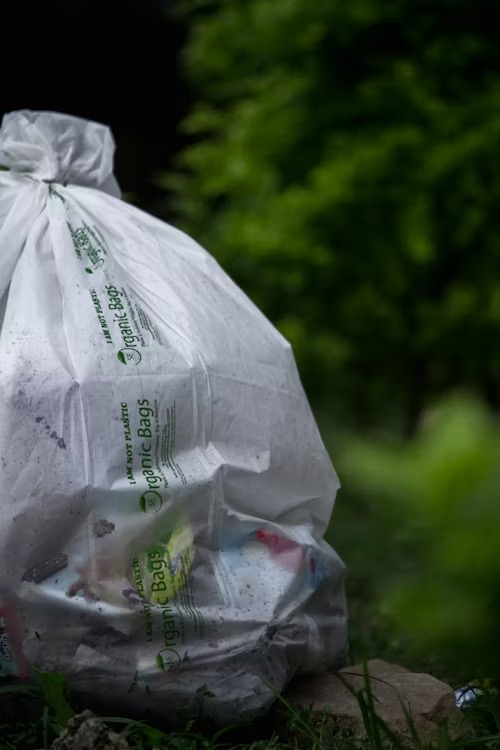
Biodegradable waste bags (also called biodegradable trash bags in US English) are garbage bags made from materials that break down naturally through the action of microorganisms. Unlike conventional plastic bags that can take centuries to degrade, these bags are designed to reduce landfill pollution and microplastic contamination. For those seeking even higher environmental standards, compostable waste bags and home compostable bags offer certified breakdown in specific conditions.
This guide covers everything you need to know: the difference between biodegradable and compostable, certification standards, product recommendations, disposal methods, and how to choose the right bag for your needs.
What Are Biodegradable Waste Bags?
Biodegradable waste bags (or biodegradable trash bags) are designed to break down over time via bacteria, fungi, or other natural processes. They may be made from plant-based materials (cornstarch, PLA, PHA) or petroleum-based plastics with additives that accelerate fragmentation.
Important limitation: Most biodegradable plastics require specific conditions (heat, moisture, microbes) found in industrial composting facilities. In a landfill or home compost bin, they may persist for years.
Biodegradable vs. Compostable: Key Difference
This is the most common point of confusion. Unlike biodegradable waste bags, compostable waste bags must meet rigorous certification standards. The table below shows the distinction at a glance:
| Feature | Biodegradable Bags | Compostable Bags |
|---|---|---|
| Material | Plant-based or petroleum-based | Plant-based certified materials |
| Breakdown timeframe | Undefined (months to years) | Fixed (e.g., 180 days in industrial compost) |
| End residue | May leave microplastics | Non-toxic organic matter (water, CO₂, biomass) |
| Certifications | Not required | EN 13432, ASTM D6400, OK Compost, BPI |
| Environmental safety | Varies widely | Verified safe |
Key takeaway: All compostable bags are biodegradable, but not all biodegradable bags are compostable.
Certifications for Compostable Waste Bags
Third-party certifications are essential. Without them, “biodegradable” claims are largely unregulated.
| Standard | Region | Requirements |
|---|---|---|
| EN 13432 | EU | 180-day industrial compostability, no toxic residue |
| ASTM D6400 | USA | Same as EN 13432 |
| OK Compost INDUSTRIAL | International | Industrial composting (55–60°C) |
| OK Compost HOME | International | Ambient temperature composting |
| BPI | North America | Verifies ASTM D6400 compliance |
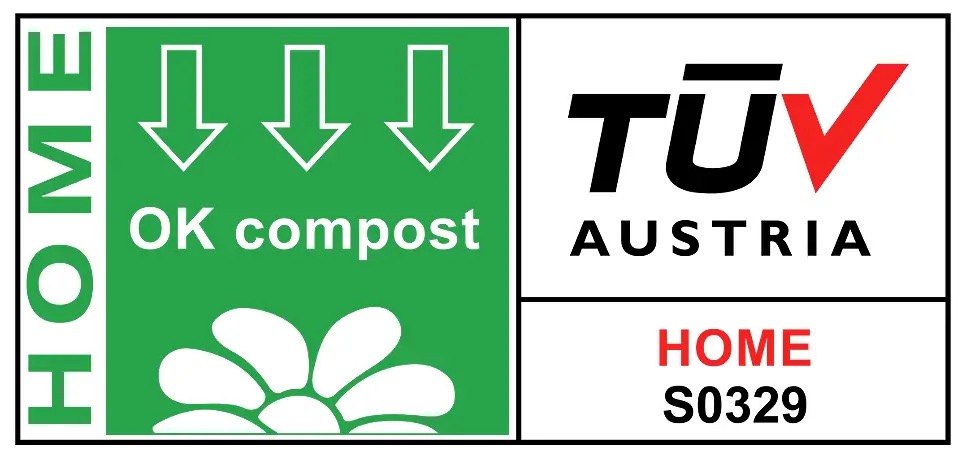
According to TÜV Austria, products with only OK Compost INDUSTRIAL certification should not go into home compost bins. For home compostable bags, always look for OK Compost HOME certification.
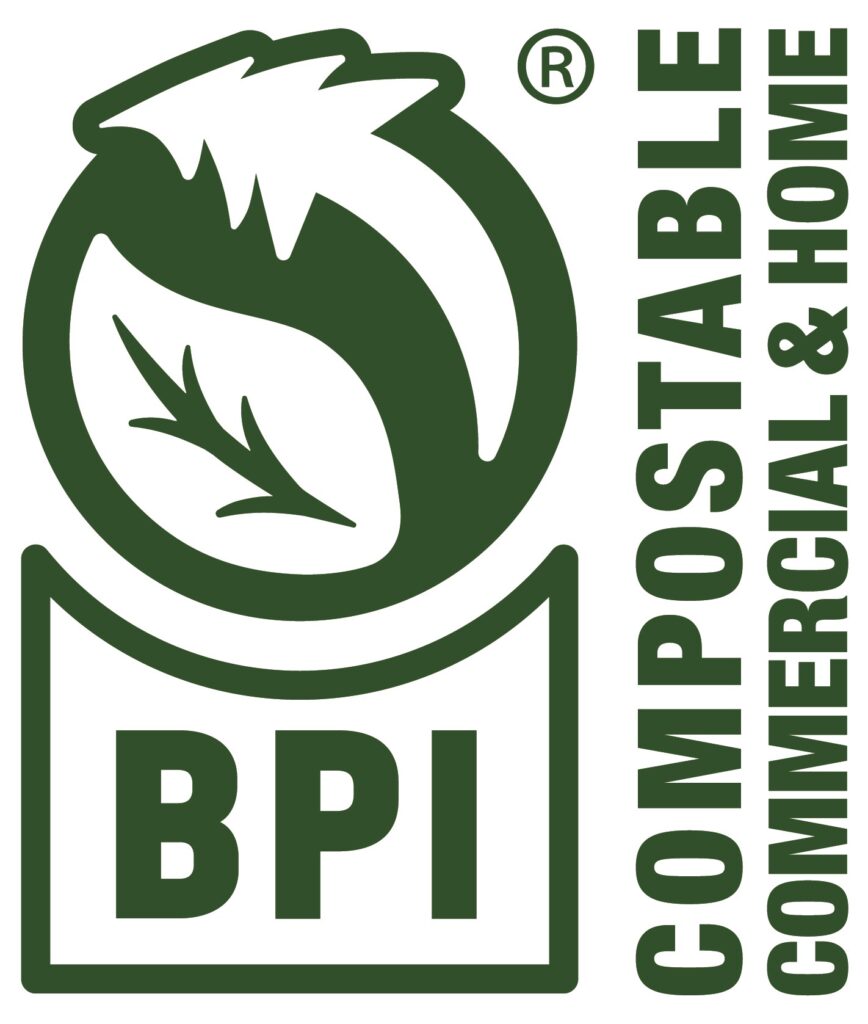
The Biodegradable Products Institute (BPI) certifies tens of thousands of compostable products, including food scrap bags and packaging.
Best Compostable Trash Bags: Expert Picks
Real-world testing of popular brands reveals which bags combine strength with genuine compostability.
| Brand | Key Features | Best For |
|---|---|---|
| NaturePak Renew | Reinforced side gussets, cornstarch blend | Heavy kitchen waste |
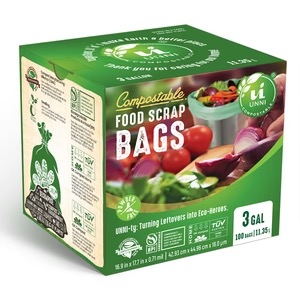
| UNNI | ASTM D6400 certified, BPI approved | General kitchen use |
| BioBag | Made from renewable starches | Food scrap collection |
| Ecolipak | Durable, multiple sizes | Household and yard waste |
Performance note: Top-tier compostable trash bags now match conventional plastic in tear resistance and wet waste handling. However, they begin degrading on the shelf – use within 6–12 months and store in a cool, dry place.
For home compostable bags, look for OK Compost HOME certified products from these brands.
Industrial vs. Home Composting
Industrial Composting
Large-scale facilities with high heat and aeration. Most “compostable” bags require this. Check if your city offers industrial composting for food waste.
Home Composting and Home Compostable Bags
Only bags with OK Compost HOME certification will break down in your backyard bin. Without this label, do not put them in home compost. If you plan to use home compostable bags, look for OK Compost HOME certification.
No Composting Access?
If your area lacks composting infrastructure, consider:
- Reducing waste (use reusable containers, buy in bulk)
- Checking local waste authority guidelines
- Avoiding biodegradable bags altogether until infrastructure improves
How to Choose the Right Biodegradable Waste Bag
Follow this 7-step checklist:
- Check certifications – Look for BPI, OK Compost, EN 13432, or ASTM D6400. Avoid vague “eco-friendly” labels.
- Match size to bin – 3-gallon for countertop pails, 8–13 gallon for kitchen trash, larger for yard waste.
- Consider thickness – 15–30 microns for kitchen waste; thinner for dry trash.
- Confirm disposal method – Home compostable (OK Compost HOME) vs. industrial compostable (EN 13432).
- Compare cost – Typically 2–3x conventional plastic, but price parity is approaching.
- Check expiration – Use within 6–12 months of purchase. Store in cool, dry place.
- Avoid oxo-degradable – These fragment into microplastics and do not fully biodegrade.
Environmental Impact: Benefits and Limits
Benefits (when properly managed)
- Diverts organic waste from landfills
- Produces nutrient-rich compost
- No microplastic residue
- Lower carbon footprint than petroleum plastics
Limitations
- Infrastructure gaps – many regions lack industrial composting
- Consumer confusion – biodegradable does not mean compostable
- Higher cost than conventional plastic
- Greenwashing – unlabeled “biodegradable” bags may still be petroleum-based
Frequently Asked Questions
Q1: Can I put biodegradable waste bags in my recycling bin?
No. They contaminate recycling streams. Always follow local guidelines.
Q2: How long does a compostable bag take to break down?
Answer: In industrial composting: 90–180 days. In home composting: several months (only if OK Compost HOME certified).
Q3: Are biodegradable waste bags strong enough for kitchen waste?
Answer: Yes, top-tier options match conventional plastic in strength and puncture resistance.
Q4: What’s the difference between biodegradable and compostable?
Answer: Biodegradable means breakdown over an unspecified time, possibly leaving microplastics. Compostable means breakdown within a fixed timeframe into non-toxic organic matter under controlled conditions.
Q5: Can I compost biodegradable bags in my backyard bin?
Answer: Only if the bag is specifically certified as “home compostable” (OK Compost HOME). Only home compostable bags with OK Compost HOME certification will break down properly in your backyard compost bin.
Q6: Do biodegradable bags cost more than regular plastic?
Answer: Typically 2–3 times more, but price parity is approaching as bioplastics scale up.
Q7: How should I store biodegradable waste bags?
Answer: In a cool, dry place away from heat and sunlight. Use within 6–12 months.
Q8: What are oxo-degradable bags, and why avoid them?
Answer: They contain additives that fragment plastic into microplastics. They do not fully biodegrade and are potentially toxic.
Conclusion
Biodegradable waste bags can reduce plastic pollution – but only if you understand the science, choose certified products, and have access to proper composting infrastructure. Unlike biodegradable waste bags, compostable waste bags require certified conditions. For home composting, home compostable bags with OK Compost HOME certification are essential.
Actionable summary:
- Look for BPI, OK Compost, EN 13432, or ASTM D6400 certifications.
- Match the bag type to your disposal method (home compost vs. industrial compost).
- Avoid oxo-degradable and uncertified “biodegradable” bags.
- Store bags properly and use them within their shelf life.