
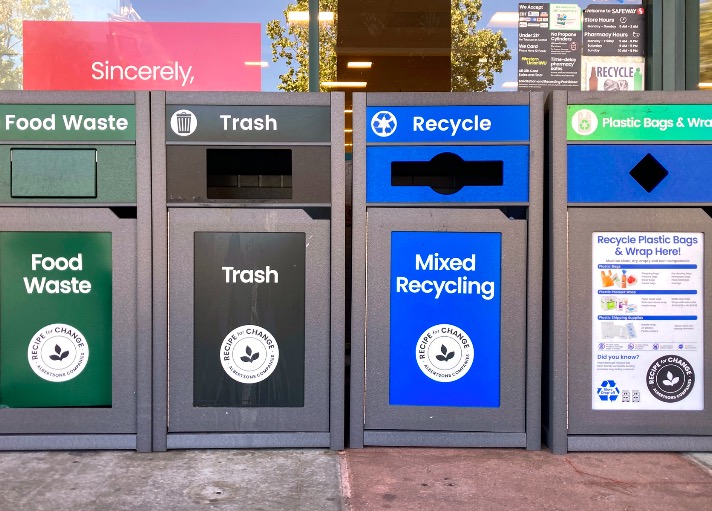
Wondering can plastic bags be recycled? This ultimate guide answers where to recycle plastic grocery bags, explains how to recycle plastic bags properly, and reveals why traditional recycling often fails—and what eco-friendly alternatives like compostable bags can do for you.
The Big Question: Are Plastic Grocery Bags Recyclable?
The short answer is yes, but with a major catch. While the material (usually LDPE or HDPE) is technically recyclable, you cannot put them in your standard curbside recycling bin.
Most people ask, “can a plastic bag be recycled at home?” and the answer is a firm no. In municipal recycling facilities, plastic bags are known as “tanglers.” They get caught in the sorting machinery, causing expensive breakdowns and safety hazards for workers.
Where Can We Recycle Plastic Bags? (Global Locator)
If you can’t use the blue bin, where to recycle plastic grocery bags? The most effective method is “Store Drop-off.”
Where to Find Drop-off Points:
•United States: Look for bins at the entrance of major retailers like Walmart, Target, and Kroger. You can use the How2Recycle locator.
•United Kingdom: Most large supermarkets (Tesco, Sainsbury’s) now have collection points for “soft plastics.”
•Australia: The REDcycle program (and its successors) provides bins at Coles and Woolworths.
| Location Type | What They Accept | What They Don’t |
| Supermarket Bins | Grocery bags, bread bags, bubble wrap | Biodegradable bags, food-stained film |
| Specialized Centers | Clean industrial stretch wrap | Multi-layer foil pouches |
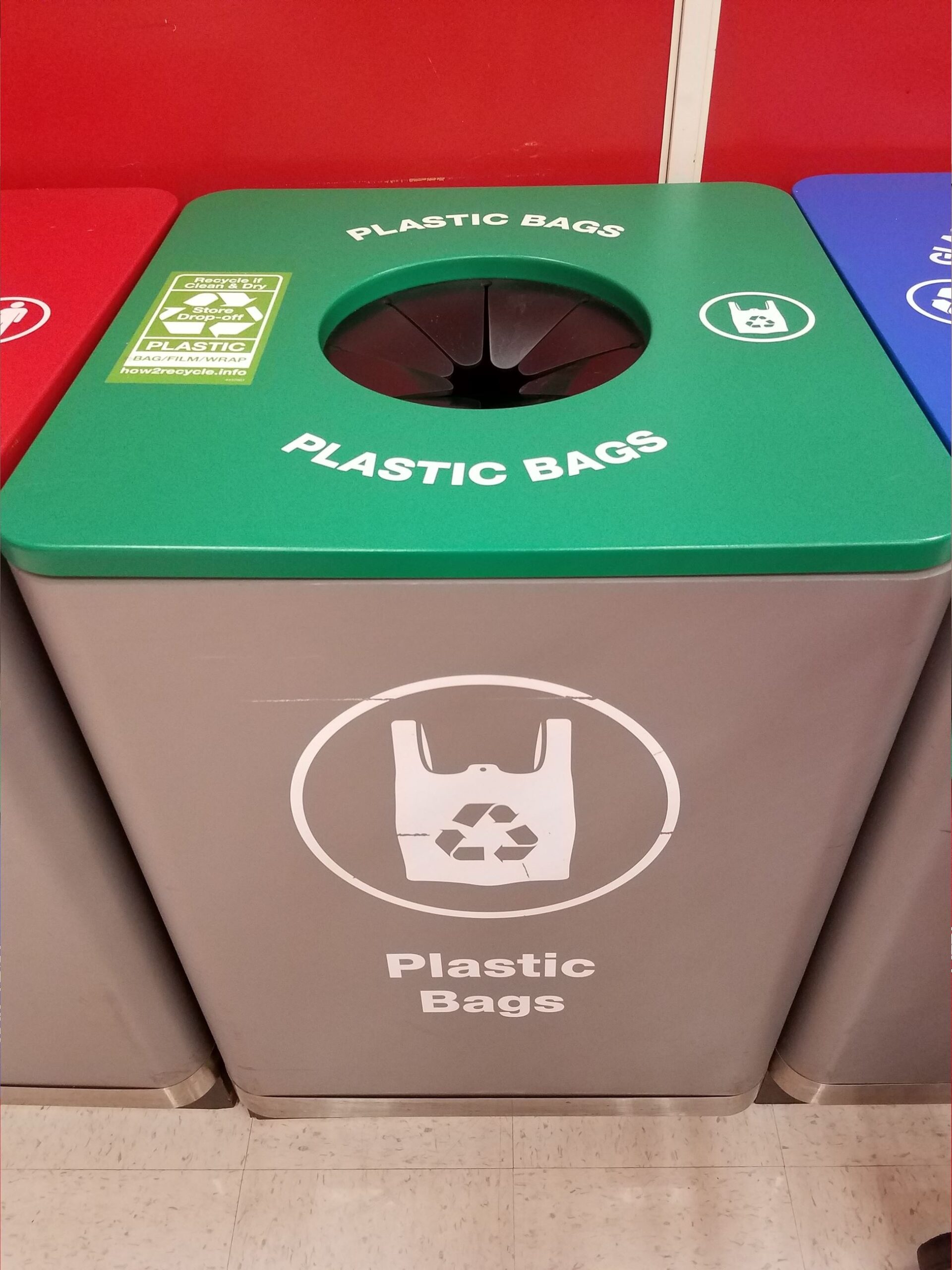
When searching for where to recycle plastic grocery bags, don’t just look at supermarkets. Many large-scale hardware stores and pharmacy chains have joined the circular economy movement.
In urban areas, specialized recycling hubs often accept clean, dry plastic film. Always check for the “Store Drop-off” label on your packaging, which indicates that the material is compatible with these specific collection streams. Knowing exactly where to recycle plastic grocery bags ensures that your efforts actually lead to new products rather than the landfill.
How to Recycle Plastic Bags Properly: A Step-by-Step Guide
If you want to ensure how to recycle plastic bags effectively, follow these three rules:
1.Empty & Clean: Ensure there are no receipts, crumbs, or liquid left inside. Contamination is the #1 reason bags end up in landfills.
2.Dry: Wet bags can cause mold in the recycling stream.
3.Remove Stickers: If possible, peel off paper shipping labels or tape.
Why Traditional Recycling is Failing (And the Better Alternative)
Even when we do recycle plastic bags, the reality is sobering. Less than 9% of all plastic ever produced has been recycled. Most plastic bags are “downcycled” into composite lumber or park benches, which eventually still end up in the environment.
According to data from the EPA, the recycling rate for plastic wraps and bags remains alarmingly low, highlighting the urgent need for better material management.
The Rise of Compostable Bags
As a leading biodegradable bags manufacturer, we believe the future isn’t just recycling—it’s composting.
•Recyclable Bags: Require complex logistics and often fail.
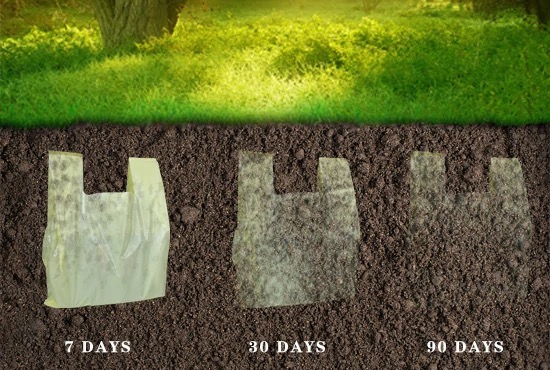
•Compostable Bags: Break down into organic matter in 180 days, returning to the earth.
FAQ: Everything You Need to Know About Plastic Bag Recycling
Q1: Can plastic bags be recycled in curbside bins?
A: No. They clog sorting machines. Always use designated store drop-off bins.
Q2: Do you recycle plastic bags with food residue?
A: No. Food residue contaminates the entire batch. Clean them first or dispose of them in the trash.
Q3: Can I recycle biodegradable bags with plastic bags?
A: Never. Biodegradable or compostable bags contaminate the plastic recycling stream. They should be composted in industrial facilities or home compost bins.
Q4: What happens to recycled plastic bags?
A: They are usually turned into plastic lumber, deck boards, or new shipping envelopes.
Conclusion
Understanding where can we recycle plastic bags is a great first step, but reducing our reliance on traditional plastic is the ultimate goal. Whether you are a consumer or a business looking for compostable bags wholesale, choosing materials that truly disappear is the best way to protect our planet.
Looking for a sustainable alternative? Explore our range of Certified Compostable Bags that don’t require complex recycling logistics.