
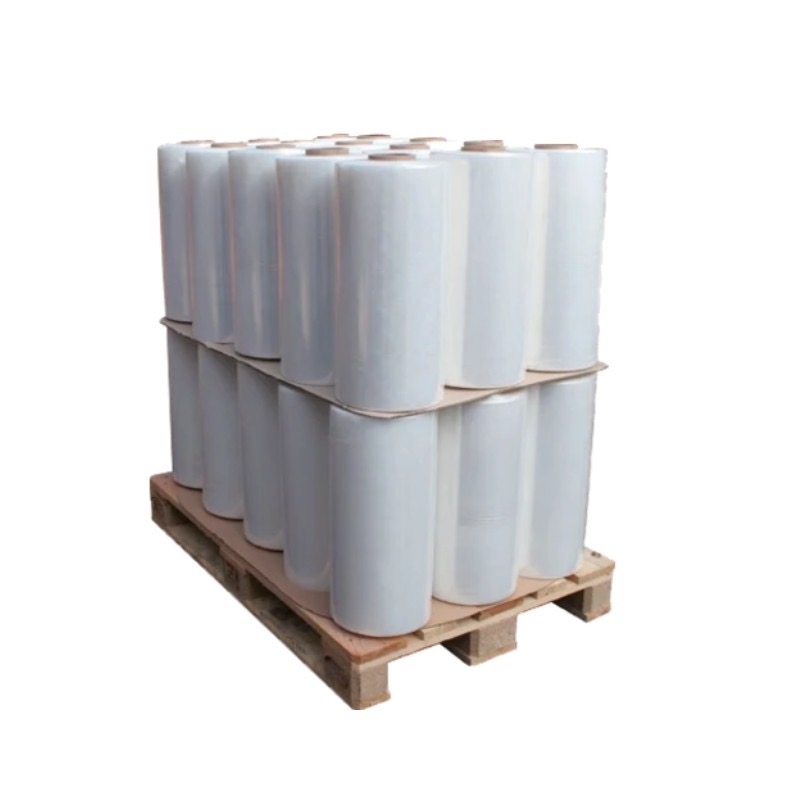
In logistics, warehousing, e-commerce, and manufacturing, stretch film (also known as pallet wrap) is used in massive volumes every day. Traditional LLDPE plastic stretch film is cheap and reliable, but it takes hundreds of years to degrade and contributes to microplastic pollution.
With stricter 2026 regulations such as the EU Packaging and Packaging Waste Regulation (PPWR), California SB 54, and increasing sustainability requirements from Amazon and major retailers, many businesses are seriously evaluating compostable stretch film as a greener alternative.
This buyer’s guide delivers an honest, data-driven comparison of compostable stretch film versus traditional plastic pallet wrap — covering performance, cost, regulations, real-world applications, and practical decision-making tips.
What Is Compostable Stretch Film?
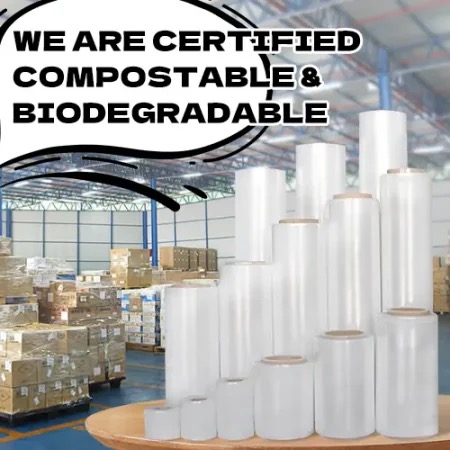
Compostable stretch film is manufactured from renewable plant-based materials such as PLA (polylactic acid), PBAT, and starches. It carries international certifications including ASTM D6400 (BPI) and EN 13432, which confirm it breaks down into water, carbon dioxide, and biomass within approximately 6 months in industrial composting facilities — without leaving harmful microplastics.
Traditional stretch film, by contrast, is petroleum-based LLDPE. In 2026, advanced compostable formulations have made significant progress in stretch ratio (often 200–600%), cling, and tear resistance.
Why Consider Compostable Stretch Film in 2026?
Several powerful drivers are accelerating adoption:
- Regulatory Pressure — The EU PPWR and various U.S. state rules demand higher compostable or recycled content in packaging.
- Market Growth — The global biodegradable stretch films market was valued at USD 4.1 billion in 2025 and is projected to reach USD 6.7 billion by 2035, growing at a CAGR of 5.0%. Industrial compostable films continue to lead due to improved performance and scalability.
- Brand & Customer Expectations — Eco-conscious clients and platforms increasingly favor certified sustainable packaging.
Compostable stretch film now delivers three times the cling and over one-and-a-half times the tear strength compared to its previous version, while remaining fully industrially compostable under EN 13432 and ASTM D6400 standards. These upgrades address earlier limitations in tackiness and durability, making 2026 formulations far more competitive for real-world use.
For the latest rules, see our detailed guides: California SB 54 2026: Compliant Compostable Bags Guide for Importers & Wholesalers PPWR 2026: What EU Importers Must Know About Compostable Bag Compliance
Compostable Stretch Film vs Traditional Stretch Film: 2026 Side-by-Side Comparison
| Aspect | Traditional LLDPE Stretch Film | Compostable Stretch Film (2026) | Notes |
|---|---|---|---|
| Raw Material | Petroleum-based | Plant-based (PLA + PBAT + starch) | Compostable is renewable |
| Stretch Ratio | 200–300% | 200–600% (competitive in many grades) | Gap has narrowed significantly |
| Cling / Tackiness | Excellent | Good to excellent (up to 3x improvement in new formulas) | Traditional slight edge, but closing fast |
| Puncture & Tear Resistance | Very strong | Medium to strong (1.5x+ improvement in latest versions) | Traditional better for extreme heavy loads |
| Load Stability | Excellent | Good for light-to-medium loads | Test for heavy duty |
| End-of-Life | Hundreds of years + microplastics | 6 months in industrial compost | Compostable clear winner |
| Initial Cost | Lower | 30–100% higher | Traditional cheaper upfront |
| Storage & Shelf Life | Long | Use within ~12 months | Traditional more forgiving |
| Environmental Certifications | None | BPI ASTM D6400, EN 13432, TÜV Austria, etc. | Compostable offers strong compliance advantage |
Summary: In 2026, compostable stretch film is now practical for most e-commerce, warehousing, and medium-load applications. Extreme heavy-duty or high-speed automated lines still benefit from testing. Recent upgrades (such as 3x cling and 1.5x tear strength in leading products) have made the performance gap much smaller than in previous years.
View Our Compostable Stretch Film Products →
Real-World Performance in 2026
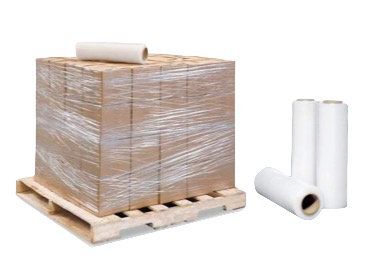
In light-to-medium load logistics and e-commerce pallet shipments, many 2026 compostable stretch films now perform reliably on standard equipment with only minor tension adjustments. For food, agriculture, and apparel exporters, they offer the added benefit of full compostability while maintaining adequate load stability.
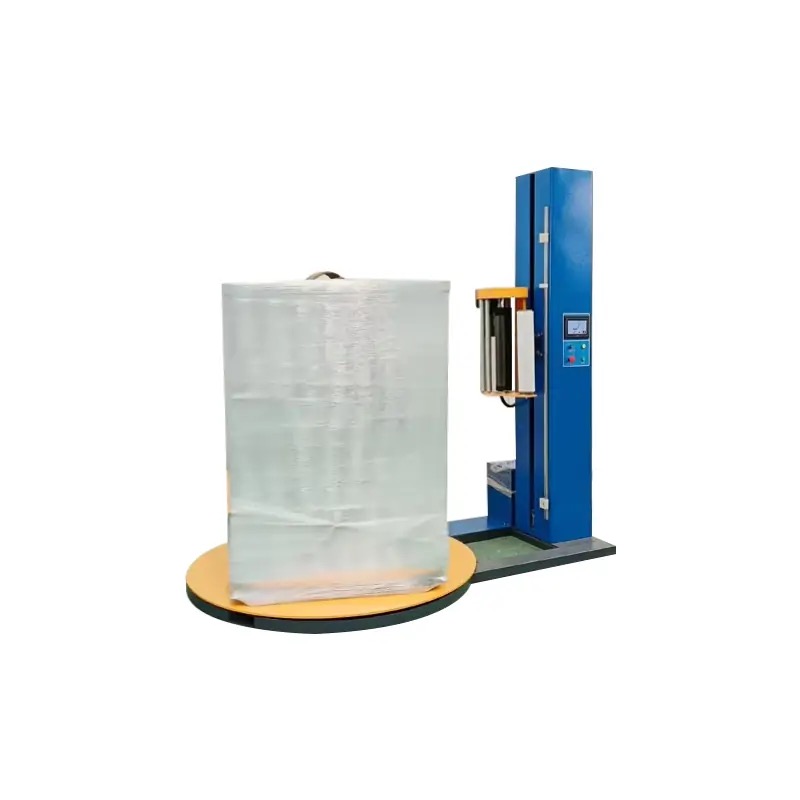
In extreme heavy-load or high-speed automated lines, traditional LLDPE may still hold a slight edge in puncture resistance. However, advanced PLA-PBAT formulations are closing this gap rapidly. Real-condition testing remains the best way to confirm suitability for your specific application.
Explore Machine-Grade and Hand-Grade Compostable Stretch Film
Key Advantages of Compostable Stretch Film
- True industrial composting with no microplastic residue.
- Better regulatory compliance and reduced risk of fines or rejected shipments.
- Stronger brand image and appeal to sustainability-focused customers and platforms.
- Potential material savings thanks to higher stretch ratios in advanced 2026 formulations.
Related reading: Compostable vs Biodegradable vs Recyclable Bags – Key Differences
Disadvantages and Limitations
- Higher upfront cost (long-term total cost of ownership often improves when including avoided penalties and brand value).
- Slightly lower performance in the most extreme puncture or heavy-load scenarios — real-condition testing is essential.
- Full environmental benefit requires access to industrial composting facilities.
- More sensitive to heat and humidity during storage.
Ongoing material innovations are rapidly reducing these gaps.
Total Cost of Ownership Example
A business using 1,000 kg of traditional film per month may face 30–100% higher initial cost when switching to compostable stretch film. However, this can be partially or fully offset by avoided regulatory fines, improved brand perception leading to higher customer retention, and potential material savings from higher stretch ratios (some users report needing fewer wraps per pallet).
Who Should Switch to Compostable Stretch Film?
Best suited for:
- E-commerce and Amazon FBA pallet shipments
- Light-to-medium load logistics and warehousing
- Food, agriculture, and apparel exporters
- Companies focused on ESG reporting and green credentials
Test carefully if you handle very heavy pallets or run high-speed automated wrapping lines.
For Amazon-specific advice, read: Amazon FBA Compostable Packaging Guide 2026
Practical Switching Checklist
- Confirm local industrial composting availability.
- Request full third-party certification reports.
- Order samples and test stretch, cling, load stability, and machine compatibility.
- Calculate 1–3 year total cost of ownership (TCO).
FAQ – Frequently Asked Questions
1. Is compostable stretch film as strong as traditional stretch film? In 2026, advanced versions are very close for most applications. New formulations (such as improved Eco Wrap) now offer significantly better cling (up to 3x) and tear strength (1.5x+), though traditional film may still edge out in the toughest heavy-duty scenarios.
2. How long does compostable stretch film take to break down? It typically fully composts in about 6 months in industrial facilities certified under ASTM D6400 and EN 13432. It does not break down effectively in landfills or home compost.
3. Is compostable stretch film more expensive? Yes, usually 30–100% higher upfront. However, when factoring in regulatory compliance, brand value, and potential material savings, the long-term economics can be attractive for many businesses.
4. Can I use compostable stretch film with my existing wrapping machines? Many 2026 machine-grade versions are compatible, but testing is strongly recommended. Minor adjustments to tension or speed may be needed.
5. Does it help meet Amazon or retailer sustainability requirements? It can support green packaging preferences and ESG goals. Always check the latest platform guidelines.
6. Where can I get certified compostable stretch film samples? Reputable suppliers offer samples for performance testing. Contact the hemcbags team for guidance and current 2026 options.
Conclusion: Is Compostable Stretch Film Worth It in 2026?
For many businesses, yes — especially if regulatory compliance, environmental responsibility, or brand differentiation are priorities. While it may not be a perfect 1:1 replacement in every extreme heavy-duty case, 2026 formulations have made compostable stretch film practical and increasingly competitive.
The smartest next step is to request samples and run your own real-world tests. The performance gap continues to shrink while the compliance and sustainability advantages keep growing.
Ready to explore high-quality compostable stretch film for your operation? View Our Compostable Stretch Film Collection and Request Free Samples