
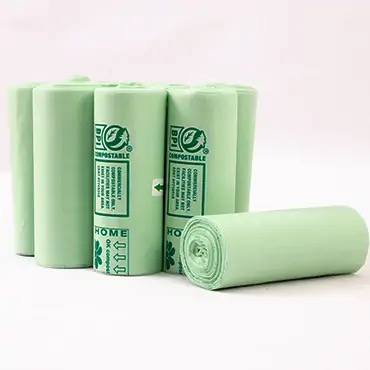
If you‘ve been searching for the best compostable trash bags that won’t split open and dump coffee grounds all over your kitchen floor, you‘re in the right place. Many consumers abandon compostable bags after just a few uses because of premature tearing and leaks, but the truth is that modern compostable bag technology has advanced significantly. Today, there are certified options that rival conventional plastic in strength and durability—if you know what to look for.
In this guide, I’ll cut through the greenwashing to show you exactly which brands hold up to heavy kitchen waste, and the simple specs to check so you never end up with a soggy mess again. Whether you‘re looking for the strongest compostable trash bags on the market or simply want compostable trash bags for kitchen use that won’t fail mid-week, this article covers everything you need to know.
Why Most Compostable Garbage Bags Rip (and How to Spot a Strong One)
The problem isn‘t that all compostable bags are weak. It’s that many brands prioritize looking eco-friendly over actually being functional. Here‘s what separates the good ones from the flimsy.
Thickness: The Number One Predictor of Durability
If you only remember one thing from this guide, make it this: check the thickness in mils. One mil equals one thousandth of an inch. Bags under 0.9 mil are essentially produce bags that will tear if you look at them wrong—skip them for kitchen use. The sweet spot is 1.2 to 2.0 mil, which resist punctures and can hold a full load without stretching out. Heavy-duty territory starts at 2.0 mil and up, handling broken glass and jagged bones. If you want the strongest compost trash bags, aim for 1.5 mil or higher.
Quick tip: Some brands list thickness in microns. One mil equals roughly twenty-five microns, so look for at least thirty to thirty-five microns for kitchen use.
Material: PBAT Is Your Friend
Compostable kitchen bags are typically made from a blend of PLA (polylactic acid), derived from cornstarch, and PBAT (polybutylene adipate terephthalate), a biodegradable polyester.
Early bags were mostly PLA, which is brittle and prone to cracking when wet. Modern durable bags use higher ratios of PBAT, which adds flexibility and tear resistance. This is similar to how plastic grocery bags stretch instead of ripping.
Certifications: Your Greenwashing Shield
A bag labeled biodegradable means nothing without a certification logo. When you‘re searching for the best compostable trash bags, always look for BPI certified compostable trash bags bearing the official mark. According to the Biodegradable Products Institute, the BPI Certification Mark is the only independent verification in North America that a product meets ASTM D6400 standards and will fully break down in industrial composting facilities. Additionally, look for OK Compost HOME certification if you plan to compost in your backyard.
- BPI Certified (USA): Meets ASTM D6400 standards, breaks down in industrial compost within three to six months.
- TÜV Austria OK Compost (EU): The European gold standard, with HOME versions for backyard composting.
If a bag lacks any of these marks, it may leave behind microplastics or never fully break down.
Top Picks: The Best Compost Trash Bags by Use Case
Best for Heavy, Sharp Kitchen Waste: Biobag Professional Line
If your kitchen bin regularly contains chicken bones, citrus rinds, and greasy paper towels, Biobag’s Professional Line is the gold standard. In controlled testing, Biobag scored highest in puncture resistance among leading brands.
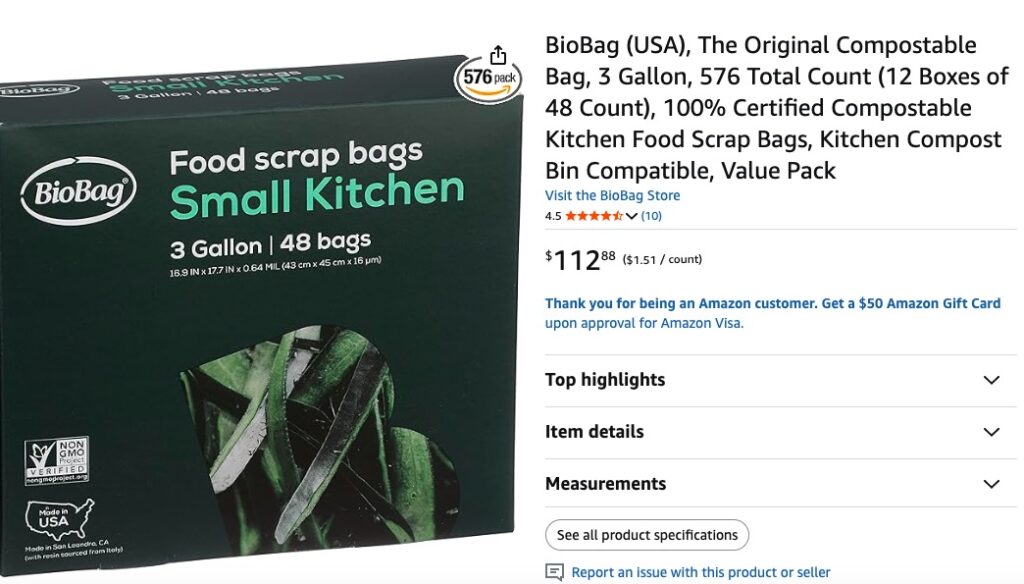
Made from a proprietary PBAT-cornstarch blend, these bags offer excellent elasticity. They stretch under load instead of splitting. BPI certified and trusted by municipal compost programs across North America and Europe.
Best Heavy-Duty (Thickest Option): UNNI Premium Compostable Bags
UNNI uses a proprietary PBAT and cornstarch blend with a substantial thickness. It is among the thickest compost trash bags on the market. They are certified by both BPI and TÜV Austria OK Compost. Real-world testing shows they resist tears even with jagged food scraps or broken glass.
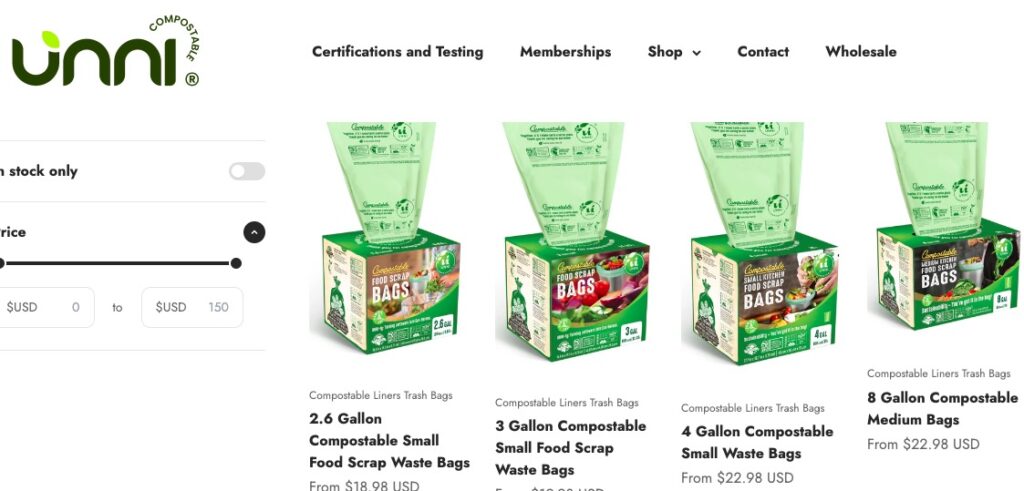
Consumer testing found UNNI to be among the strongest compostable options available. It maintains integrity even when overloaded with mixed waste including raw chicken bones. If you want the peace of mind of a bag that feels almost like plastic, this is the one.
Best for Wet Food Scraps: Simply Bio 13-Gallon Bags
Simply Bio‘s 13-gallon bags are a top performer for wet kitchen waste. Certified to ASTM D6400, BPI, and OK Compost Home standards, they are thick enough to resist leaks and drips even with prolonged exposure to wet coffee grounds and food scraps.
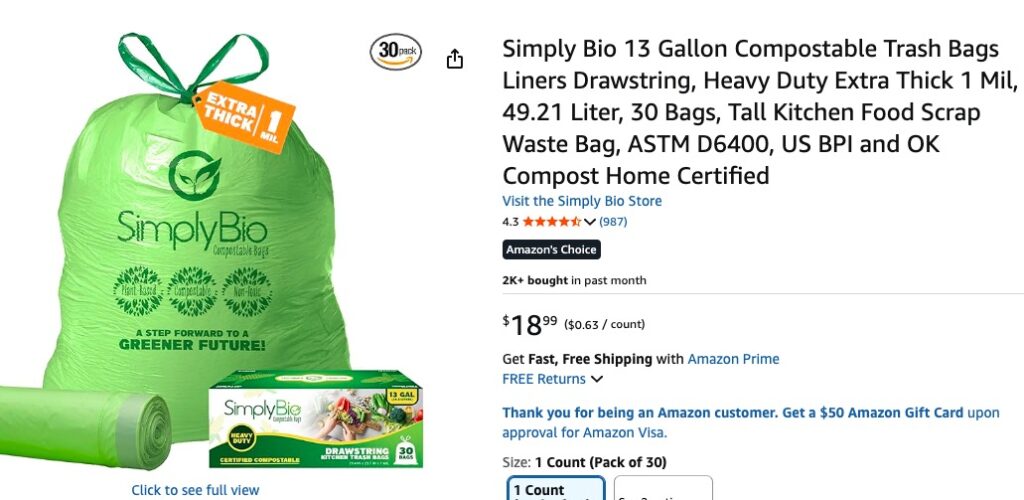
Users consistently report that these bags hold up well without tearing and perform similarly to plastic kitchen bags. They also come with convenient drawstring ties for easy closure. If you have been burned by bags that turn to mush after a few hours of contact with wet waste, Simply Bio is a reliable upgrade. It is a perfect example of compostable trash bags for kitchen use done right.
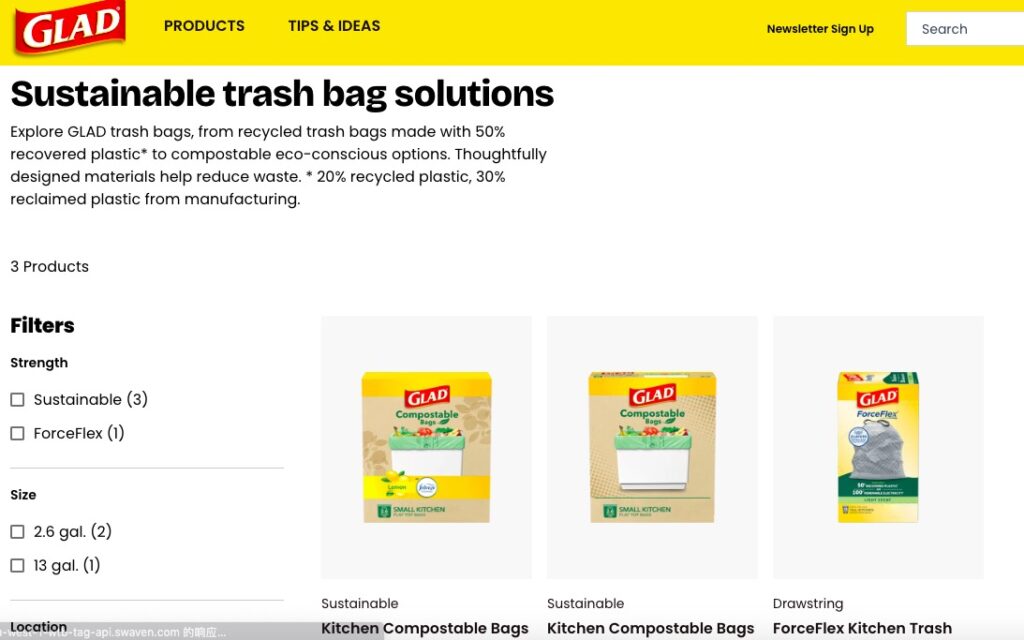
Best for Everyday Kitchen Use (Balanced Choice): Glad ForceFlex Compostable
Made from plant-based materials with reinforced side gussets and a drawstring closure, Glad ForceFlex Compostable bags held up to substantial weight in stress tests without splitting. If you are looking for a widely available, reliable performer that will not break the bank, this is an excellent choice.
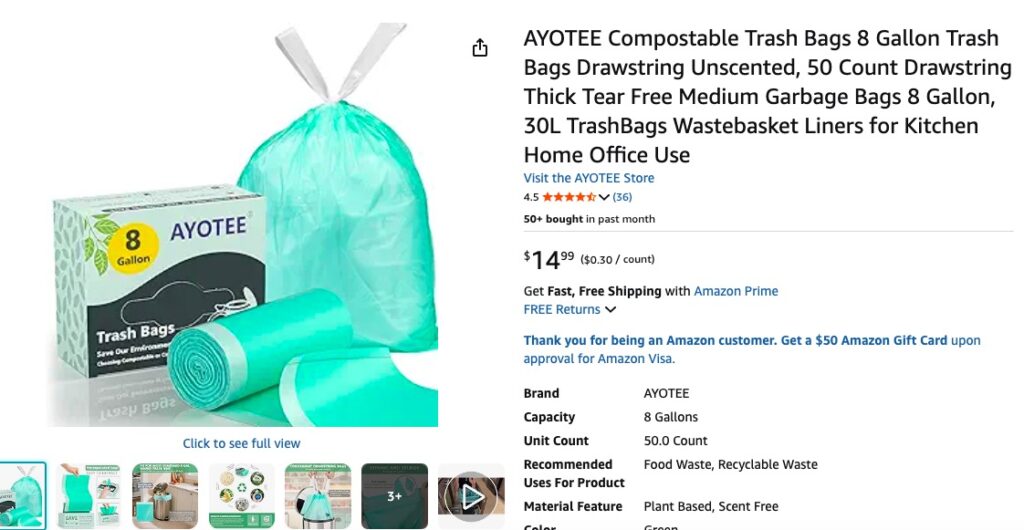
Best for Small Bins and Countertop Compost Pails: AYOTEE 8-Gallon Bags
For smaller bins or countertop compost pails, AYOTEE’s 8-gallon bags are thick, strong, and durable. They resist rips and tears even with wet or heavy trash. Users report they are significantly sturdier than many other compostable alternatives and perform well for everyday use.
Comparison Table: Top Compostable Trash Bags at a Glance
| Brand | Best For | Thickness | Certifications | Key Strength |
|---|---|---|---|---|
| Biobag Professional | Heavy, sharp waste | 1.2–1.5 mil | BPI Certified | Highest puncture resistance; trusted by municipal compost programs |
| UNNI Premium | Maximum thickness / heavy loads | 2.5 mil | BPI, TÜV Austria OK Compost | Resists tears with jagged scraps; holds substantial weight in testing |
| Simply Bio 13-Gallon | Wet food scraps | 1 mil | ASTM D6400, BPI, OK Compost Home | Resists leaks and drips; performs like plastic with drawstring closure |
| Glad ForceFlex Compostable | Everyday kitchen use | 1.0–1.2 mil | BPI Certified | Reinforced gussets; held substantial weight without splitting |
| AYOTEE 8-Gallon | Small bins / countertop pails | 1.2+ mil | BPI Certified | Sturdy with wet waste; significantly stronger than alternatives |
How to Choose a Compostable Trash Bag That Won’t Rip: Quick Checklist
Before you buy any brand, run through these four questions:
- Does it have a certification logo? Look for BPI, TÜV Austria OK Compost, or ASTM D6400. No logo means assume greenwashing.
- What’s the thickness? For kitchen waste, aim for at least 1.0 mil (twenty-five microns). For heavy or sharp waste, look for 1.5 mil (thirty-eight microns) or higher.
- Does it have reinforced features? Bags with gusseted sides (expandable folds) and drawstring closures are far less likely to split when full.
- Does it resist leaks? The best compostable bags that don‘t leak use reinforced seams and PBAT-rich blends to keep wet waste contained. This is essential if you’re tossing coffee grounds, fruit peels, or soup remnants.
Key Takeaways
- You can get strong compostable bags. The technology has improved dramatically, and top brands now match conventional plastic in durability.
- Thickness is non-negotiable. Aim for 1.2 mil or higher for kitchen use—thinner bags are a false economy.
- Certifications matter. The best compostable trash bags carry BPI or TÜV Austria logos. “Biodegradable” without certification often means microplastics.
- Don‘t overfill. Even the strongest compostable trash bags perform best when kept under reasonable capacity. For oily foods or large bones, double-bagging adds peace of mind.
- Match the bag to your disposal method. Most BPI-certified bags require industrial composting. If you home compost, look specifically for OK Compost HOME certification.
Further Reading: Are Compostable Trash Bags Strong Enough For Kitchen Waste?