
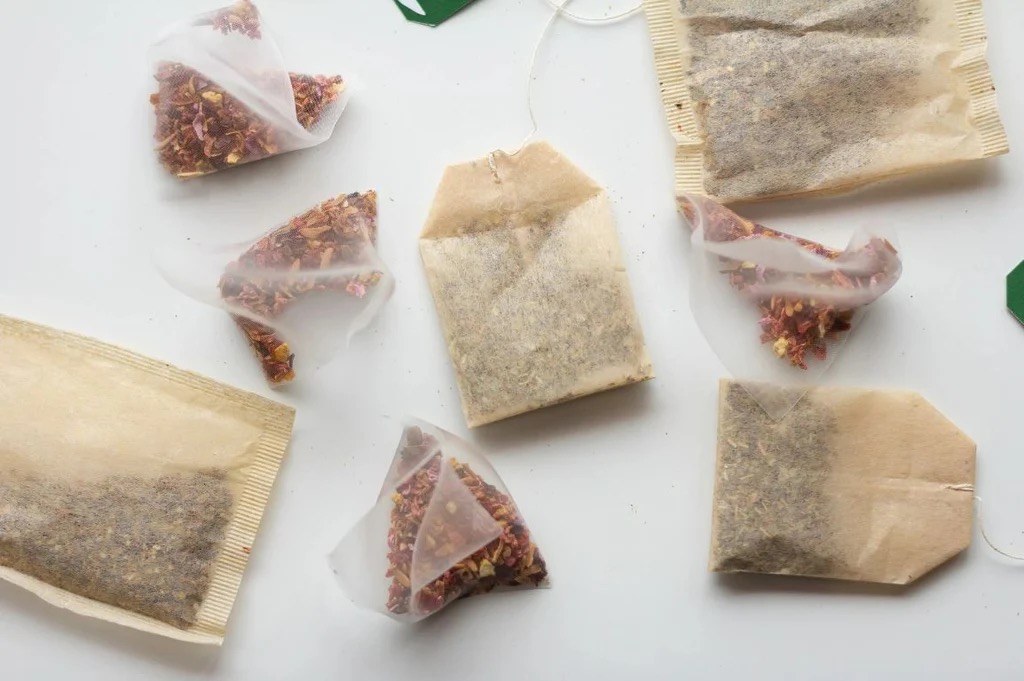
What types of tea bags are compostable? The answer isn’t as simple as you might think.
Picture this: You just finished your morning cup of tea. You walk over to your compost bin, toss in the used tea bag with a small sense of pride, and go about your day. You’re doing your part for the planet—reducing waste, enriching your garden soil. It feels good, doesn’t it?
But here’s the uncomfortable truth: That tea bag you just tossed in might not be composting at all. In fact, it could be quietly shedding billions of tiny plastic fragments into the very soil you’re trying to nurture.
The reality is that many tea bags on the market today are not fully compostable due to hidden plastics. What looks like simple paper or plant fiber often contains synthetic materials that don’t break down—or worse, contaminate your compost with microplastics.
So, which tea bags are actually compostable? And how can you tell the difference without a chemistry degree? Let’s break down everything you need to know.
The Short Answer: Which Tea Bags Can You Compost?
Tea bags made from 100% natural fibers (unbleached paper, abaca, hemp, cotton, or cellulose) with no plastic sealants are fully compostable—either in home or industrial composting systems.
However, the vast majority of conventional tea bags contain hidden plastics. Traditional paper tea bags are often reinforced with polypropylene, a plastic used to heat-seal the edges. These bags will not fully break down in your compost bin. Instead, the paper decomposes while the plastic remains as microscopic fragments that can persist in soil for decades-.
For a tea bag to be truly compostable, the entire bag—including the sealing method—must be made from biodegradable materials without synthetic components.
What Types of Tea Bags Are Compostable? First, Understand the Hidden Plastic Problem
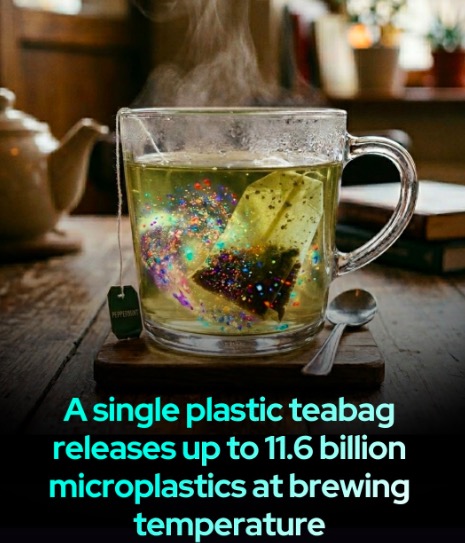
At first glance, a tea bag appears to be made of simple paper or plant-based fiber. But appearances can be deceiving. To prevent tea bags from falling apart during steeping—especially when exposed to hot water—many manufacturers reinforce them with synthetic fibers.
The most common culprit is polypropylene, a type of plastic used as a heat-sealing agent. When heated, this plastic melts slightly and binds the edges of the bag, making it watertight-1. This seemingly small addition has significant environmental consequences. Polypropylene does not break down in home compost systems or even in many industrial facilities. Instead, it fragments into microplastics, which can persist in soil and eventually enter the food chain.
Studies have found that a single tea bag can release billions of microplastic particles into a cup of tea when steeped at high temperatures. Even bags labeled “biodegradable” or “compostable” may still contain plastic components.
“Many tea bags marketed as ‘biodegradable’ still contain synthetic polymers. Consumers need to look beyond labels and check materials.” — Dr. Natalia Ivleva, Environmental Chemist, Technical University of Munich
Biodegradable vs. Compostable: Why the Difference Matters
Here’s where most people get tripped up. The terms “biodegradable,” “compostable,” and “plastic-free” are used loosely in marketing, but they mean very different things chemically.
Biodegradable
A product labeled “biodegradable” is NOT necessarily plastic-free. It simply means it breaks down eventually—which could take 50 years-4. Everything is biodegradable eventually (even radioactive waste), so this term alone tells you very little about whether a tea bag is safe for your compost bin.
Industrially Compostable (PLA)
These bags—often the silky pyramid style—are made from polylactic acid (PLA), a bioplastic derived from cornstarch or sugarcane. While technically plant-based, PLA only breaks down in high-heat commercial composting facilities (60°C+)-4. In a home compost pile, these bags will not rot. A UCC study found that tea bags made entirely of PLA, marketed as completely biodegradable, were found completely intact after a full year buried in garden soil.
Home Compostable
This is the gold standard. Home compostable tea bags break down at ambient temperatures (20-30°C) within a few months. Look for certifications like “OK Compost HOME” or the “Seedling” logo with “Home” written on it.
Plastic-Free
This is what you actually want. Truly plastic-free tea bags contain no synthetic polymers of any kind, whether petroleum-based or plant-based. They are sealed using natural methods like stitching or folding rather than heat-sealing.
Expert Tip: Check the Logo
Don’t trust the text. Trust the logo. If a product just says “OK Compost” without the word “HOME,” it requires an industrial facility and belongs in your food waste bin, not your garden compost.
Tea Bag Materials: What’s Safe and What’s Not
To help you navigate the confusing landscape of tea packaging, here’s a detailed breakdown of common tea bag materials and their compostability:
| Material | Common Use | Compostable? | Key Notes |
|---|---|---|---|
| Polypropylene-reinforced paper | Traditional flat tea bags | No | Contains up to 25% plastic; non-biodegradable; fragments into microplastics |
| Polylactic acid (PLA) / Cornstarch | Silky pyramid bags | Industrial compost only | Breaks down only under high heat; not suitable for home compost; may remain intact for years in garden soil |
| Plant-based cellulose (wood pulp, abaca) | Plastic-free branded bags | Yes (home compost) | Fully biodegradable; may use abaca fiber or folded paper design |
| Hemp paper | Organic or specialty teas | Yes | Naturally strong and tear-resistant; requires minimal water to cultivate; fully compostable |
| Cotton muslin | Premium loose-leaf teas | Yes (home compost) | 100% natural and home-compostable; allows full leaf expansion; durable and sometimes reusable |
| Loose leaf (no bag) | Bulk or reusable infusers | Yes | Most sustainable option; zero packaging waste |
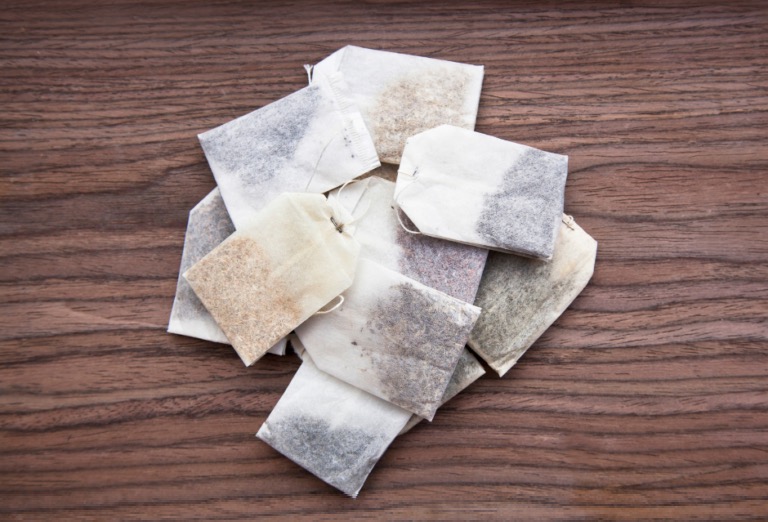
The “Worm” Test
If you have a worm bin (vermicompost), avoid PLA tea bags entirely. The tough mesh can tangle up worms, and they cannot digest the bioplastic. Stick to unbleached paper bags or loose leaf tea.
The Real-World Research
A revealing study from University College Cork compared the degradation of tea bags from eight brands. The results were striking:
- Pure cellulose bags biodegraded within 3 weeks
- Cellulose + small amounts of PLA biodegraded in 3.5 months
- Polypropylene-sealed bags produced the highest numbers of microplastic fragments
- 100% PLA bags (marketed as fully biodegradable) remained completely intact after one year
“Alternative materials are being placed into the market with little research behind their impact in terms of degradation potential, which has mostly been tested under laboratory conditions that do not resemble the real environment,” said study leader Alicia Mateos-Cárdenas.
How to Identify Truly Compostable Tea Bags
Not all tea bags are problematic. Some brands have eliminated plastic entirely. Here’s how to tell the difference-1:
1. Check the Packaging
Look for clear statements like “plastic-free,” “fully compostable,” or “made from plant-based materials.” Avoid vague terms like “eco-friendly” or “natural” without supporting details-3. If a brand is truly plastic-free, they’ll usually shout it from the rooftops.
2. Look for Certifications
Reputable third-party labels are your best bet:
- OK Compost HOME (TÜV Austria) — Suitable for home composting
- Seedling logo — Indicates industrial compostability
- BPI (Biodegradable Products Institute) — North American industrial compostability certification-1
The BPI certification mark is the most reliable third-party verification to determine whether a product meets ASTM compostability standards-. However, note that products with the BPI label require industrial composting—they cannot be composted at home.
3. Feel the Texture
Truly plastic-free bags often feel different. They might be made from paper, abacá (a type of banana fiber), cotton, or corn starch. These materials tend to have a more natural, sometimes slightly rougher texture compared to the smooth, almost plasticky feel of bags that contain synthetic fibers.
4. Inspect the Seal
If the edges of the tea bag are fused shut (rather than stitched or folded), it likely contains plastic. Many plastic-free bags are sealed with heat-sealable natural fibers or simply stitched shut. If a bag feels like it’s been melted together with a very smooth, uniform seam, that’s a red flag.
5. Try the Burn Test (Lighter Test)
Want to be absolutely sure? Empty the dry tea out. Hold the empty bag with tweezers and light it with a match:
- Clean ash → Pure paper/cotton → Safe for compost
- Melts or drips → Contains plastic (polypropylene or PLA) → Not suitable for home compost
Which Tea Brands Are Compostable?
Here’s a practical guide to common tea brands and their compostability status, based on current information:
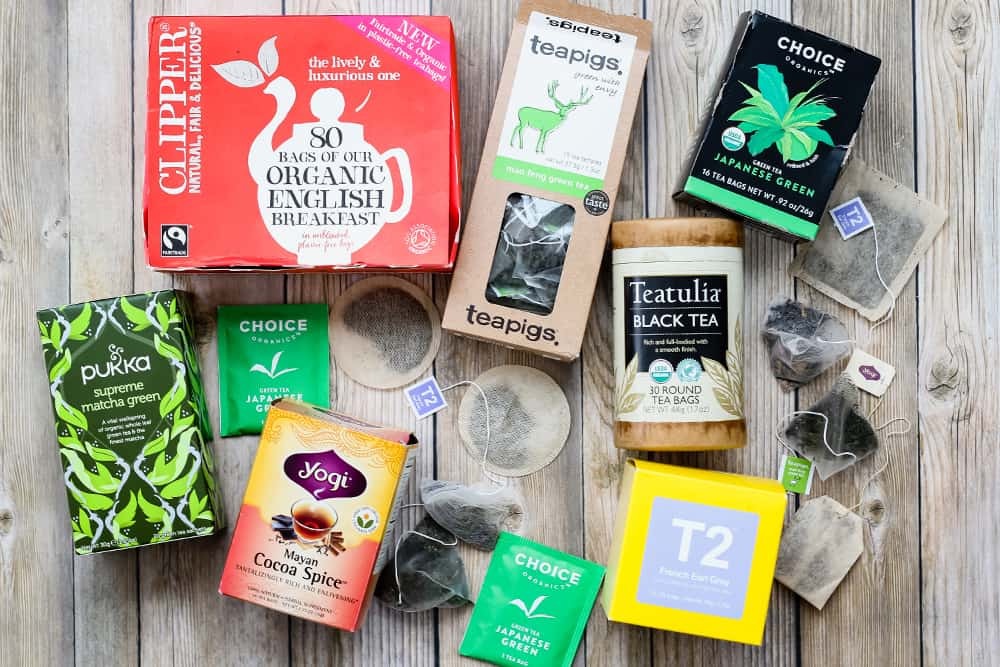
Fully Home Compostable (Safe for Your Garden Bin)
| Brand | Bag Material | Compostability |
|---|---|---|
| Pukka Herbs | Organic cotton, no staples | Home compostable |
| Yogi Tea | Filter paper, no glue or staples | Home compostable |
| Clipper Teas | Abaca fiber, plant cellulose | Plastic-free / home compostable- |
| Numi Tea | Wood pulp, natural fibers | Plastic-free |
| Bigelow Tea | Wood pulp, abaca fiber, plant-based starches | Biodegradable and compostable, contains no plastic- |
| Teapigs | Plant-based materials | Compostable |
| Abel and Cole | Plant-based materials | Compostable |
| Heath & Heather | 100% non-GMO sugarcane pyramid teabags | Fully compostable- |
NOT Compostable (Avoid Composting)
| Brand | Bag Material | Why Not |
|---|---|---|
| Tetley | Paper + polypropylene | Contains plastic; not suitable for compost |
| Lipton | Polyester mesh / paper blend | Uses heat-sealing plastic |
| PG Tips (pyramid bags) | Polyester | Fully plastic; treat as regular waste– |
| Yorkshire Tea | Paper with polypropylene seal | Plastic seal prevents full decomposition |
Important Note About PLA Bags
Many major UK tea brands have already transitioned to PLA-sealed tea bags, including Yorkshire Tea, Clipper Teas, PG Tips, Tetley, Twinings, Pukka Herbs, and Teapigs, as well as retailer own-label ranges from Tesco, Sainsbury’s, Aldi, Lidl, Asda, Morrisons, M&S, and Waitrose.
While plant-derived, most conventional PLA is industrially compostable but NOT home compostable. It requires high-temperature composting facilities. Consumers are typically advised to dispose of these tea bags in council food waste bins, not in home compost.
Important disclaimer: Tea bag formulations can change. Always check the current packaging for the most up-to-date information before composting.
How to Compost Tea Bags Properly
If you’ve confirmed that your tea bags are truly compostable, here’s how to do it right:
Step-by-Step Instructions
- Confirm compostability first. Use the identification methods above (certifications, material check, or burn test) before adding any tea bag to your compost.
- Remove any non-compostable attachments. Staples are not compostable. Strings and tags often contain plastic or metallic ink. Remove these before composting.
- Squeeze out excess water. Too much moisture can disrupt the composting process. Gently squeeze the tea bag before adding it to your bin.
- Add to your compost bin. Place the tea bag in your compost pile along with other organic matter.
- Balance your compost. Tea is high in nitrogen. Compost needs a 30:1 ratio of carbon to nitrogen, so consider adding carbon-rich materials like dried leaves, cardboard, or paper to maintain balance.
- Wait. Home compostable tea bags typically break down within a few months. Check your pile periodically to monitor progress.
What About the Tea Leaves Inside?
The tea leaves themselves are always compostable. If you’re ever unsure about the bag, cut it open and empty the tea leaves into your compost, then discard the bag in the trash. This ensures you’re not contaminating your soil while still diverting organic waste from landfills.
Alternative Use for Gardeners
Even without composting, spent tea leaves can be added directly to garden soil in small amounts. Mix tea leaves into the soil rather than sprinkling them on top. A little goes a long way-. Tea leaves are rich in nitrogen and can help improve soil quality when used appropriately.
The PLA Problem: Why “Plant-Based” Doesn’t Mean “Home Compostable”
One of the most widespread misconceptions in sustainable tea drinking is that PLA (polylactic acid) tea bags are home compostable. They’re not.
PLA is a bioplastic made from corn starch or sugarcane. While it is technically plant-based, it behaves like plastic in nature. PLA requires specific conditions—high heat (around 60°C), specific microbes, and controlled humidity—to break down. These conditions are only found in industrial composting facilities.
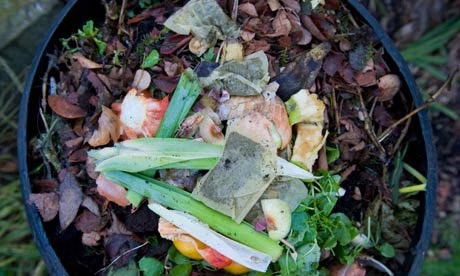
If you throw a PLA bag into a cold home compost heap, it will remain intact for years, potentially harming wildlife just like petroleum plastic. A 2024 study published in the Science of the Total Environment found that bags made exclusively of PLA did not decompose at all after seven months, concluding that “bio-based PLA does not offer a more ‘environmentally friendly’ alternative”. The microplastics from PLA also negatively affected earthworms while simultaneously allowing them to spread microplastics through the soil.
Some brands use the terminology “plastic-free” for bags that contain PLA. They shouldn’t really be doing this, as PLA is still a type of plastic. Even claims of being “microplastics-free” aren’t accurate, as PLA does release microplastics as it disintegrates.
Microplastics in Your Compost: What the Research Says
The problem extends beyond just non-compostable bags. Even when tea bags do partially break down, they can leave behind microplastic contamination.
A groundbreaking 2019 study by researchers at McGill University revealed that a single plastic-lined tea bag could release over 11 billion microplastic and nanoplastic particles into a cup of tea when steeped at high temperatures. Some studies have reported even higher numbers—over 14 billion particles from one plastic-based bag.
When these tea bags end up in compost, the situation worsens. Microplastics don’t mineralize like organic matter. Instead, they fragment into smaller pieces, contaminating compost intended for gardens and farms. A 2022 follow-up study found that compost containing tea bags with polypropylene had detectable levels of microplastics even after six months of decomposition—long enough for any truly biodegradable material to fully break down.
This raises serious concerns for home composters and urban gardeners alike. If you’re growing vegetables in soil enriched with contaminated compost, there’s potential for microplastics to accumulate in edible plants.
What the Experts Recommend
“To be 100% safe, look for brands that explicitly state: 1. ‘Plastic-Free’ (Not just biodegradable). 2. ‘Stitched’ or ‘Folded’ (No heat seal = no glue). 3. ‘Unbleached’ (Brown color, usually better for soil).”
Dr. Sarah Mitchell of the Sustainable Packaging Institute advises: “Even products marketed as ‘natural’ or ‘eco-friendly’ can contain non-compostable components. Always check the fine print.”
The official guidance from the Arizona Department of Environmental Quality specifically lists “non-plastic tea bags (staples removed)” as OK to compost in both static composting and vermicomposting systems—but note the careful wording: “non-plastic”. The same guide explicitly lists “bioplastics” in the “Do NOT Compost” column.
The Future of Tea Bags: New Regulations Coming
Under the Packaging and Packaging Waste Regulation (PPWR) being introduced across Europe, new rules are being phased in:
- By 2028: Mandatory industrially compostable tea bags
- Future phase: Introduction of home compostable requirements
This creates a two-step transition for tea brands: move away from fossil-based plastics, then prepare for the shift from industrial composting to true home compostability. Forward-thinking companies are already looking for materials that meet future regulatory expectations, not just current ones.
For consumers, this means we can expect more truly home compostable options to become available in the coming years. But for now, vigilance is still required.
The Most Sustainable Choice: Loose Leaf Tea
If you want to completely eliminate the guesswork—and the environmental impact—consider switching to loose leaf tea with a metal or ceramic infuser.
Loose leaf tea offers several advantages:
- Zero packaging waste when paired with a reusable infuser
- Fully compostable tea leaves with no bag to worry about
- Better flavor as whole leaves have room to expand
- Often more economical per cup than bagged tea-
“Spent loose tea leaves are fully compostable, offering a more sustainable option for daily brewing,” notes one tea comparison guide-. The tea leaves themselves decompose rapidly, enriching soil, while many bags contain non-compostable synthetic fibers that persist for decades.
If loose leaf tea isn’t practical for your lifestyle, opt for third-party certified compostable bags as your next best choice.
Frequently Asked Questions
Q: Can you compost all tea bags?
A: No. Only tea bags made from 100% natural fibers with no plastic sealants are fully compostable. Most conventional tea bags contain polypropylene plastic and should not go in your home compost.
Q: How can I tell if my tea bag has plastic?
A: Try the burn test: empty the dry tea out, hold the empty bag with tweezers, and light it. Clean ash means natural fibers; melting or dripping means plastic. Also check for heat-sealed edges—fused edges usually indicate plastic content.
Q: Are biodegradable tea bags compostable?
A: Not necessarily. “Biodegradable” simply means something breaks down eventually—which could take 50 years. Always look for “Home Compostable” certifications instead.
Q: Can I put tea bags in my food waste bin instead of home compost?
A: Yes. Many local councils accept tea bags in food waste caddies, as industrial composting and anaerobic digestion facilities can process them. Even bags sealed with small amounts of polypropylene can go in these bins, as the facilities separate organic material from residual plastics. However, PLA-based tea bags do not reliably break down in anaerobic digestion and are typically screened out.
What about the string and tag on tea bags?
The strings and tags on tea bags are often not compostable. Tags may use metallic ink or plastic coatings, and strings can contain synthetic fibers. Remove these before composting. “Tea itself is very compostable as are paper wrappers that don’t have any sort of lining. There are some inconsistencies around the compostable-ness of the bag itself, staples, and the string connecting the tea bag to the paper tag.”-
Is PLA (cornstarch) compostable at home?
No. PLA requires high-temperature industrial composting facilities to break down. In a home compost pile, PLA bags will remain intact for years.
What’s the safest approach?
When in doubt, empty the tea leaves into your compost and discard the bag in the trash. The tea leaves themselves are always compostable and beneficial for your soil.
How long does it take for compostable tea bags to break down?
Pure cellulose bags can biodegrade in as little as 3 weeks. Cellulose with small amounts of PLA takes about 3.5 months. Home compostable bags certified to standards like OK Compost HOME typically break down within a few months under proper conditions.
Final Verdict: Your Compost Journey Starts Here
So, what types of tea bags are compostable? The straightforward answer is: tea bags made from 100% natural fibers (unbleached paper, abaca, hemp, cotton, or pure cellulose) with no plastic sealants, no PLA, and no synthetic components—look for “Home Compostable” certifications like OK Compost HOME.
But the deeper truth is that compostability exists on a spectrum:
- Fully home compostable (gold standard): Pure cellulose, unbleached paper, cotton, hemp
- Industrially compostable only: PLA bioplastics, most silky pyramid bags
- Not compostable at all: Polypropylene-reinforced paper, polyester mesh
Many “eco-friendly” labels are misleading. Terms like “biodegradable” and “plant-based” don’t guarantee that a tea bag will actually break down in your garden compost. Your safest bet is to look for third-party certifications, avoid heat-sealed edges, and—when all else fails—cut open the bag and compost only the tea leaves inside.
Whether you’re a dedicated home composter, an urban gardener, or simply someone trying to make more sustainable choices, the right tea bag choice makes all the difference. Start by checking your current tea bags with the burn test, switch to certified home compostable brands, or embrace the ultimate zero-waste solution: loose leaf tea and a reusable infuser.
Now we’d love to hear from you! What tea brands have you found to be truly compostable? Do you have any tips for identifying plastic-free tea bags? Drop a comment below, and don’t forget to bookmark or share this guide with a fellow tea lover who cares about what goes into their compost bin!